
How to Sell on Instagram: A Complete Guide for Creators and Businesses
Everything you need to know about selling on Instagram – from the different shopping options to tips on how to make the most of your Instagram selling strategy.
At least once a week, I catch myself wanting to buy a new product I’ve seen on Instagram. (Right now I have my eye on a beautiful set of coffee mugs from Studio 13.)
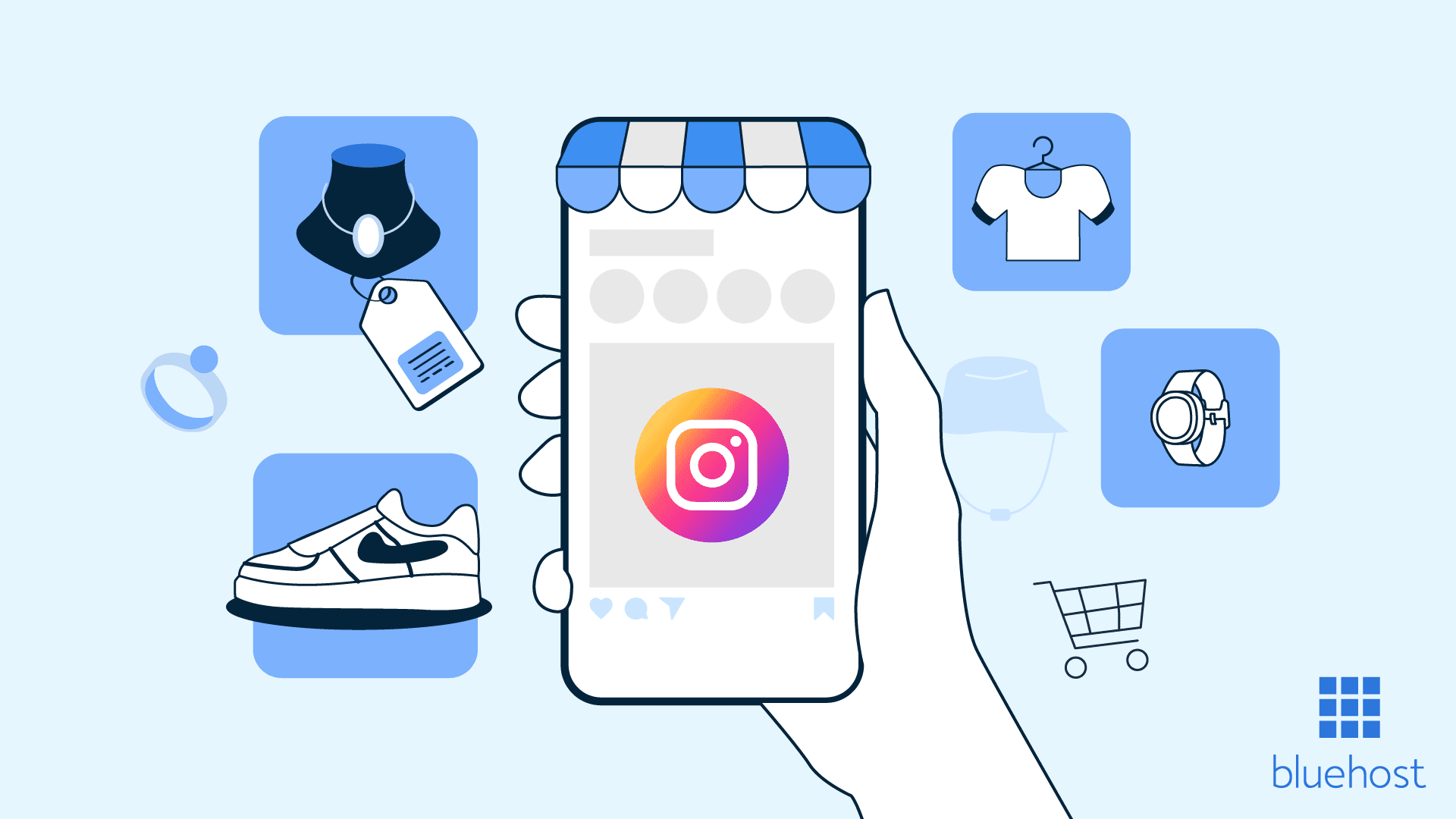
Instagram makes it easy to act on those “I need this” moments – people see something they like and can buy it in just a few taps. What started as a simple photo-sharing app has evolved into a powerful social commerce platform where you can showcase your products, find new customers, and even sell directly.
With 130 million people tapping on Instagram shopping posts every month, it’s clear that casual browsing can easily turn into active purchasing. That’s a huge opportunity for businesses and creators who want to reach people where they already spend time – specifically, an average of 33 minutes a day on Instagram.
If you’re a business owner or creator with products to sell, Instagram can help you get them in front of the right people.
In this guide, I’ll cover how to sell on Instagram – from setting up a shop to exploring the different selling options and tips to help you grow.
Packages for Influencers -> Instagram followers and likes, views of the highest quality for your profile!
4 Approaches to Selling on Instagram
There’s no single “right” way to sell on Instagram. What works best depends on whether you’re a business or a creator, the types of products you sell, and where you want people to complete their purchase.
1. Use Instagram Shoppable Posts
On Instagram, you can sell products using a shop that lives inside the app, making it easy for people to browse and buy your products while scrolling.
Instagram Shop lets you tag products in your posts and link them directly to your product catalog. This makes your posts shoppable – people discover your products while browsing, and when something catches their eye, they simply tap the icon to see product details and pricing.
You can recognize these shoppable posts by the small white shopping bag icon in the corner of the image. On your profile grid, it appears in the top right corner of the shoppable post thumbnail, and in the bottom left corner when the post appears in people’s feeds.
Beyond this icon, shoppable posts look just like any other post.
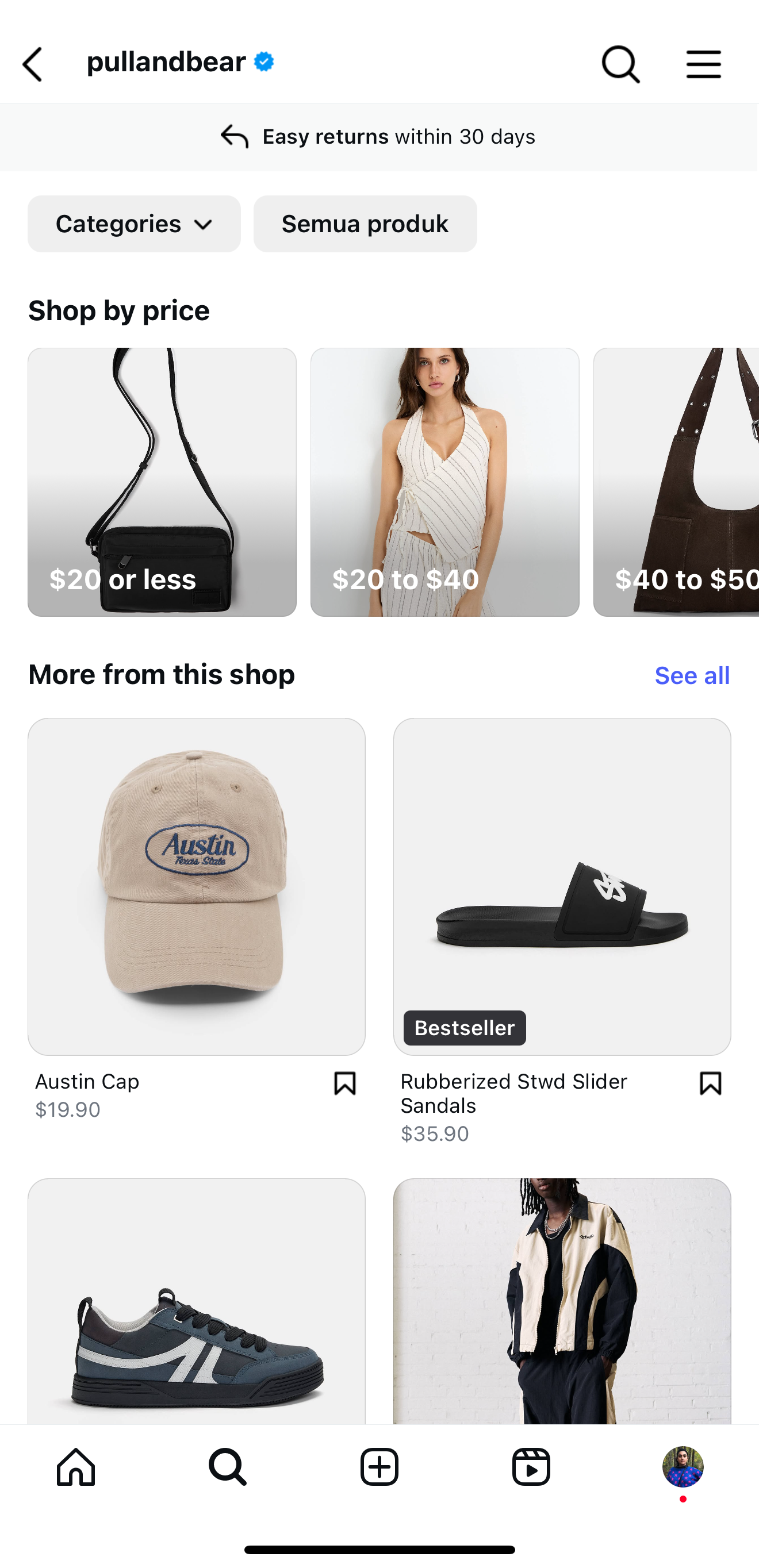
take a look
To sell products directly from the app, you need an Instagram shopping account.
To be eligible for Instagram Shopping, your business must:
- Be located in a supported market where Instagram shopping is available (this includes the USA, most of Europe, and the Asia-Pacific region).
- Use an Instagram business account.
- Keep your account on-brand and feature products that people can purchase on your website.
- Sell physical products that are not on Instagram’s list of prohibited items.
- Comply with all policies of the platform owned by Meta.
- Show signs of trustworthiness. This includes things like an active website, a consistent Instagram presence, and a follower count.
- Share accurate product information and avoid anything misleading, such as incorrect prices and availability. You should also make sure that people can easily find your refund and return policies on your website, Facebook, or Instagram accounts.
If you have a creator account and want to sell physical products, you’ll need to switch to a business account first.
You can do this quickly: go to your profile in the Instagram app and tap the menu in the top right corner. From there, go to Creator Tools and Controls and scroll down to Switch Account Type. Tapping this option will give you the option to switch to an Instagram business profile.

If you have a personal profile, switch your profile to a business account by following this guide.
If you want to sell digital products or don’t yet have your own website, you can still sell through Instagram without using Instagram Shopping — it will just look a little different. I’ll show you how to do that later in this article.
For those using Instagram Shopping, the next step is creating a product catalog.
If you already have a Facebook shop catalog, you can link it to your Instagram account to save time. Review the catalog before connecting it to Instagram. Once set up, an Instagram shopping catalog will be automatically created and you won’t be able to change it later.
To add products manually, use the Commerce Manager tool and upload product photos and information to it. You can speed up the process by bulk uploading products using a spreadsheet, or by using the Meta pixel to import products from your website.
Here is a handy video that will walk you through setting up a catalog in the Commerce Manager app.
You can also use one of the certified third-party e-commerce platforms: Shopify, BigCommerce, WooCommerce, Squarespace, Wix, Adobe Commerce, or OpenCart.
Once your catalog is set up, you can create an Instagram post and add up to 20 products to a single photo or carousel. Simply tap the products in the photo and then tag products from your catalog.
Instagram recommends tagging fewer than five products per image so people can focus on your best products. If you have more than five items to share, you can spread them across slides in a carousel.
You can also tag products in Instagram Stories. Add a product sticker to tag items — you can use one sticker per story and tag up to five products in it.
With Instagram Reels, you have greater flexibility and can add up to 30 product tags to a single video.
As of April 24, 2024, US-based stores on Instagram must set up Instagram Checkout. This means customers will complete their purchases from your store directly within the app. To use this feature, you will need a US bank account and a business address.
If your store is located outside the US, your product tags will direct people to your website instead, where they can check out.
Sell Through Comments and Direct Messages
If you’re wondering how to sell on Instagram without a website or online store, comments and direct messages (DMs) offer a direct way to engage with customers and complete sales.
Start by sharing a product photo and use the caption to let people know what to comment to buy – “Comment ‘SOLD [your size]’ to purchase” or “Comment ‘I WANT IT’ to purchase”. Then follow up on each comment to arrange payment and shipping and answer any questions.
Tools like Manychat or Comment Sold can help you with this. You can set them up to automatically reply to comments and send purchase links via DM.
You can also prompt buyers to message you on Facebook Messenger or WhatsApp to complete their purchase, instead of using comments. Tools like Manychat can step in and automate your responses there too, helping you take on some of the manual work needed to close a sale.
If you’re just starting out or growing your business and still building your website or product catalog, comments and DMs are a great way to start selling on Instagram – even before your site and catalog are live.
5 Ways to Improve Your Instagram Sales Strategy
When selling on Instagram, the moment your post catches a user’s attention is already a win. Here are a few ideas to encourage customers to turn that first glance into a purchase.
1. Create a signature style for your photos and stick to it.
Think about the stores you love to shop at. Each one probably has its own distinct vibe that makes it stand out instantly. Great business profiles on Instagram can use a signature visual style to recreate that distinction online.
The jewelry brand waekura uses cream, beige, and brown tones across all its posts. This creates a minimalist, aesthetic look that followers instantly recognize when a post appears in their feed.

2. Keep an eye on your metrics
Instagram’s analytics tools allow you to dive into individual posts and look back at how your account is performing overall.
Using Instagram’s built-in analytics, Instagram Insights, you can track how far a post reaches, whether people find it on your profile or in their feed, and how they interact with it – likes, comments, shares, or saves.
Finding out which post styles and products get the most attention will help you refine your content strategy based on what your target audience responds to – both followers and potential customers who find your posts through the Instagram algorithm.
With this data, you can adjust your Instagram strategy so your posts reach more of the right people and lead to higher sales.
3. Leverage word-of-mouth marketing
When I’m looking for a new… well, anything really, I usually ask my friends or family for suggestions before searching online. It turns out I’m not alone – 88% of people trust recommendations from people they know more than any other form of marketing.
On Instagram, this kind of word-of-mouth recommendation often shows up as someone tagging a friend in a comment, sharing your post in their stories or via DM, or mentioning your product in their own content.
Tap into word-of-mouth marketing by sharing user-generated content. When a customer shares a post or story because they love your soy candles or budget tracker, it’s a personal endorsement to their audience. By sharing these posts in your Instagram feed or stories, you show the customer that you appreciate their love, and you show others how real people use your products.
You can also add friendly calls to action in captions like “Tag someone who would love this!” to encourage people to spread the word. Every tag, share, or mention introduces your product to potential customers directly from someone they already trust.
Another way to encourage people to share is through giveaways. You can ask them to tag their friends in the comments for a chance to win a product. This simple action can trigger a chain reaction. A friend gets a notification, decides to participate as well, and tags more friends to keep the action going.
When custom pin maker WizardPins was starting out on Instagram, it knew that achieving sales from a brand-new account would be a challenge.
However, a series of pin giveaways on Instagram helped them attract more eyes to their pins — over 18 months, it took them from 0 to 30,000 followers, drove 100,000 visitors to their website, and turned pin winners into brand ambassadors.
These giveaways helped the company generate $25,000 in revenue, serving as a reminder that word-of-mouth marketing can lead to real sales.
4. Partner with influencers
Generation Z is changing the way people discover new brands and products. In 2024, 69% of Gen Z shoppers said they discovered something new through influencers on social media, compared to 45% the year before.
And when it comes to influencer marketing, Instagram is the platform that nine out of ten brands and 86% of creators plan to focus their efforts on.
Not every influencer needs to have a massive following to make an impact. Nano-influencers — those with 1,000 to 10,000 followers — actually achieve higher engagement than stars who can reach millions of people. Their audience is smaller but more invested, so when they share a recommendation, it carries more weight and leads to greater interest in your product.
You don’t have to choose one over the other, though. Skincare and beauty brand Glossier uses a combination of nano-influencers and those with larger followings to share how real people use their products.

5. Don’t always be selling
This advice might sound a little contradictory. I just spent several thousand words sharing tips on how to sell on Instagram, and now I’m saying “don’t always be selling.” I promise it’s not.
People don’t go on social media to be sold to. They come to scroll, see what their friends are up to, find a reel that makes them laugh, and share something relatable with friends.
That’s why it helps to show up in a way that feels authentic, not transactional.
Respond to comments, even when they’re not about making a purchase. Share behind-the-scenes content from your day. Add a poll to your stories just to ask a fun question or get people talking.
These actions may not lead to an immediate sale, but they do something equally valuable — they build trust with your followers, which is one of the three main reasons people decide to buy from a brand.
Selling on Instagram is only getting bigger
Social commerce revenue continues to grow and is expected to keep rising. More and more people are shopping directly through the apps they use, which makes Instagram an even more valuable place to show up and reach your customers.
If you want results right away, you can get an Instagram followers and likes package right now.





Michal Záruba is a digital marketing specialist and a consultant in social media and SEO. For more than 8 years, Michal has been helping brands grow online through strategic content, search engine optimisation and effective communication on platforms such as LinkedIn, Instagram and YouTube.
On the blog, Michal shares practical tips on how to combine SEO, social media and brand building into one working strategy, focusing on how companies can use modern tools and algorithms so that their brand gains not only reach but also trust.
Alongside creating content, Michal lectures on digital marketing, trains teams and follows new trends in AI and search.